MINGKAI Paper Products

Plates & trays

Paper plates, trays and food boats

Pressed plates, open trays and ribbed boats — the low-cost formats that carry the highest proportion of the food service market and the least documentation. The barrier is what separates a usable plate from a soggy one.

Formats
2
Dimensioned sizes
6
Barrier options
2
Certification
flustix FPPC025

Pressed board, and why rim depth matters more than diameter

A plate is a shallow container. Diameter decides how much fits; rim depth decides whether it can be carried. A 9-inch plate with a 12mm rim is a serving plate. The same diameter with an 18mm rim is a plate someone can hold with one hand at a buffet, which is the format the catering trade actually buys.

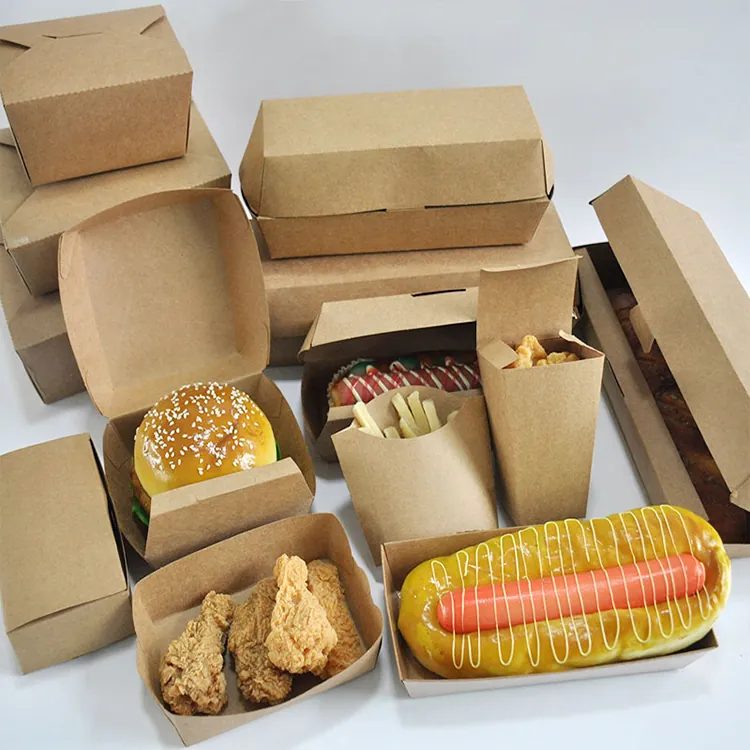
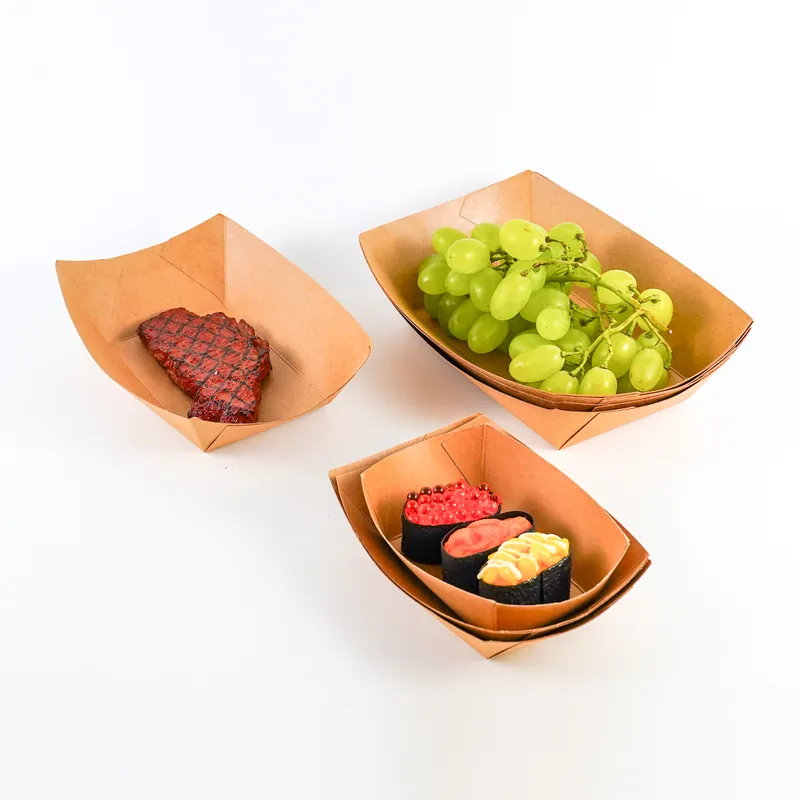
Trays and boats work the other way: they are die-cut rather than pressed, so the footprint is set by the cutting die and the print area follows it. That is why tray enquiries usually start with a drawing rather than a size.

Formats and dimensions

Every size below is a tooled size held in this range. Dimensions are nominal — confirm tolerances before artwork or lid tooling is committed.

Paper plates

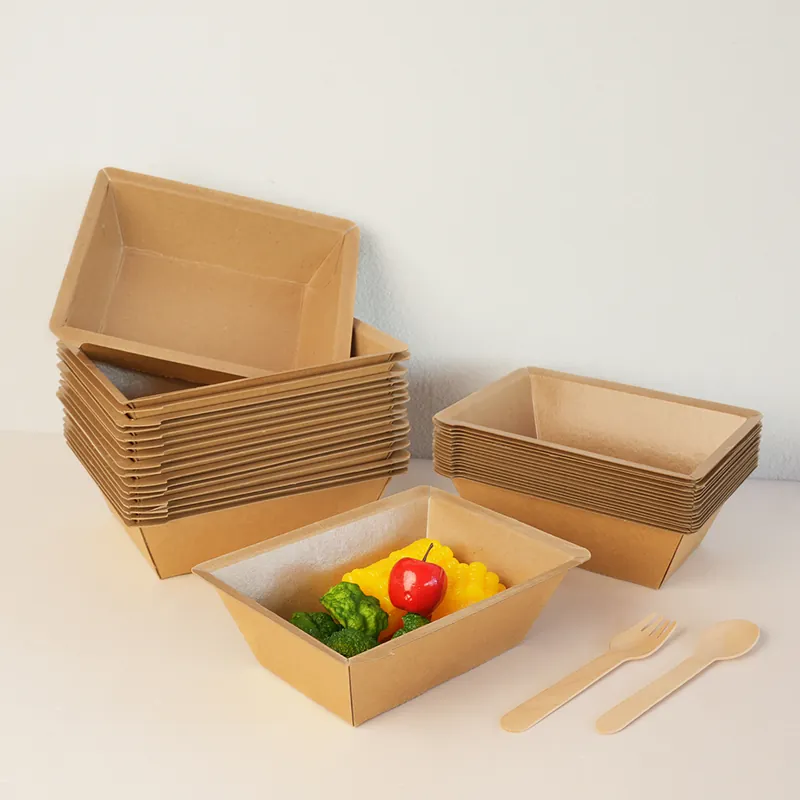
Round and square plates in pressed or laminated board, plain or printed, for events and food service.

  • Water-based dispersion Plastic-free claim supportable — covered by flustix FPPC025 on the water-based range.
  • PE (conventional) Conventional polyethylene barrier. Not part of any plastic-free claim.
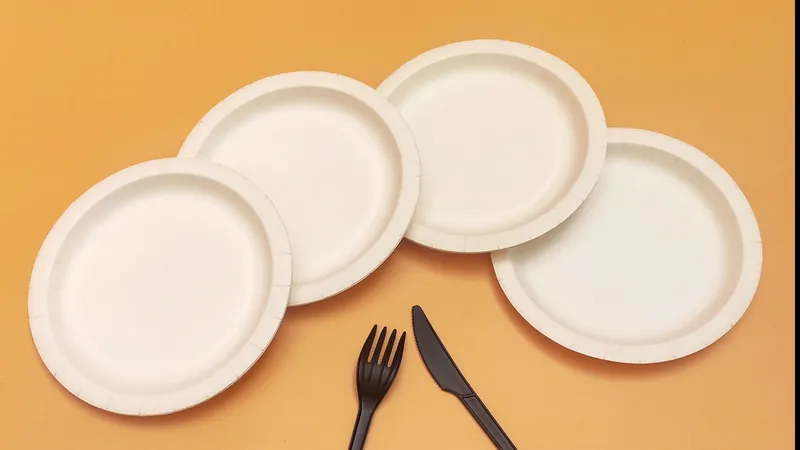
Mingkai paper packaging paper plates — product view Mingkai paper packaging paper plates — detail Mingkai paper packaging paper plates — detail
FormatSizesBoardCoatingNotes
Round plate6 / 7 / 9 / 10 inchPressed board, 300–400 gsmPE or water-basedRim depth 12–18mm
Square plate7 / 8 / 10 inchPressed boardPE or water-basedSquare packs denser in cartons
Deep plate9 / 10 inchPressed board, heavierPEFor saucy dishes

Plate sizes are quoted in inches because that is how the catering trade buys them; metric equivalents are on the drawing.

Used for Events · Catering · BBQ · Picnic

Paper trays and food boats

Open trays and boats for fries, snacks and street food, in flat or ribbed board with a heat-sealed or folded seam.

  • Water-based dispersion Plastic-free claim supportable — covered by flustix FPPC025 on the water-based range.
  • PE (conventional) Conventional polyethylene barrier. Not part of any plastic-free claim.
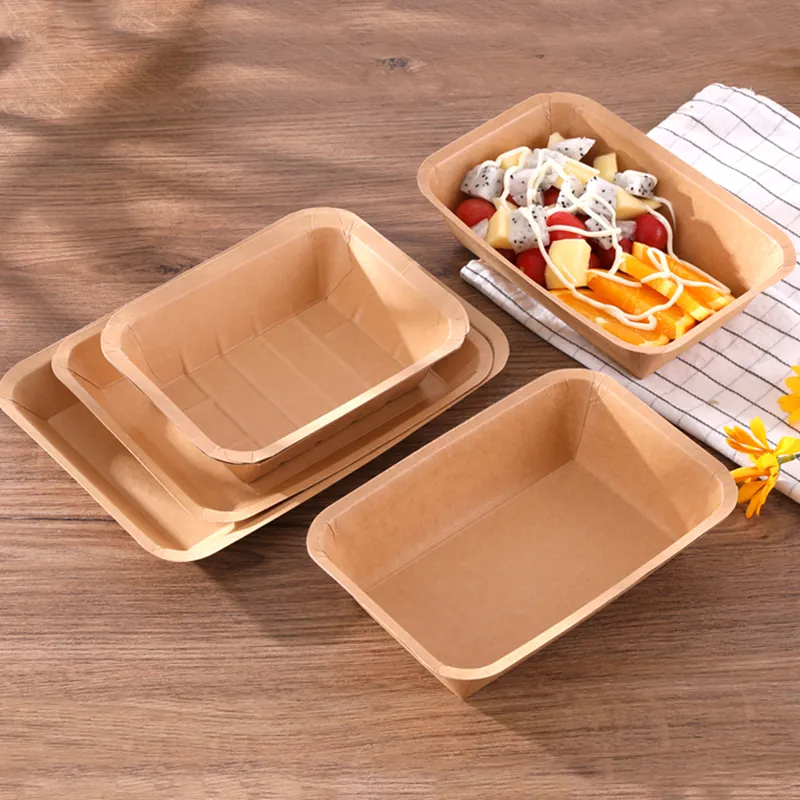
Mingkai paper packaging paper trays and food boats — product view Mingkai paper packaging paper trays and food boats — detail Mingkai paper packaging paper trays and food boats — detail
FormatSizesBoardCoatingNotes
Food boatSmall / medium / largeRibbed boardPE or water-basedGrease barrier on all grades
Open trayVariousFlat board, die-cutPECustom die per footprint
Sleeve trayVariousBoard + sleevePESleeve carries the print

Tray footprints are die-specific; send the drawing or the existing tray and we quote to match.

Used for Fries · Snacks · Street food · Loaded fries

Low-cost formats, same obligations

A plate is a food-contact article and a packaging item. Both sets of rules apply.

01
Grease barrier is the tested property
For plates and boats the relevant evidence is grease resistance plus a migration report for the coating. A “greaseproof” claim without a test reference is a description, not a compliance statement.
02
Pressed plates are rarely plastic-free at packaging level
Many pressed plates use a PE or laminated barrier. If a plastic-free statement is needed, it has to be built into the specification from the start, not added to the artwork.
03
Events and catering fall under the same SUP rules
Single-use plates and trays sit inside the same regulatory conversation as cups. The material and the barrier decide the classification, the venue does not.

Three mistakes in plate and tray specifications

  1. Buying on diameter and discovering the rim is too shallow to carry.
  2. Treating “greaseproof” as a certification rather than a description.
  3. Specifying a tray footprint before the die exists — the die is the specification.

Where this format is used

Catering and buffets

Deep-rim plates in 9 and 10 inch for one-handed carrying.

Street food

Ribbed boats for fries and snacks with a grease barrier.

Events

Printed plates where the plate is also the branding surface.

Institutional catering

Plain formats bought by the carton on unit cost.

Questions buyers ask about this range

Do you have a compostable plate?

Only where a certified construction is specified and the finished article is covered by an EN 13432 certificate. Most pressed plates in this range are PE-barrier and are not compostable.

Can trays be made to my drawing?

Yes — trays are die-cut, so a new footprint means a new die. Send the drawing or a physical sample and the quotation follows from that.

What sizes are plates sold in?

The catering trade buys in inches, so plates are quoted in inches; metric equivalents appear on the drawing. Available from 6 to 10 inch in round and 7 to 10 inch square.

Related

Printing and customisation live on our sister site

Artwork, print, die-line changes and volume pricing are handled by kysonpack.com, which runs the same production base. This site stays on materials, certification and documentation — so the answer you get here is about what can be evidenced, not what can be printed.

Send us the claim you need to defend

Product form, target market, intended claim. Three lines are enough for us to tell you which documents exist and which have to be obtained.

01
We check whether a certificate or report exists for that exact product.
02
You get the document list, including the gaps.
03
If a claim cannot be evidenced, we say so before price is discussed.

We reply in writing. No mailing list, no follow-up sequence.